
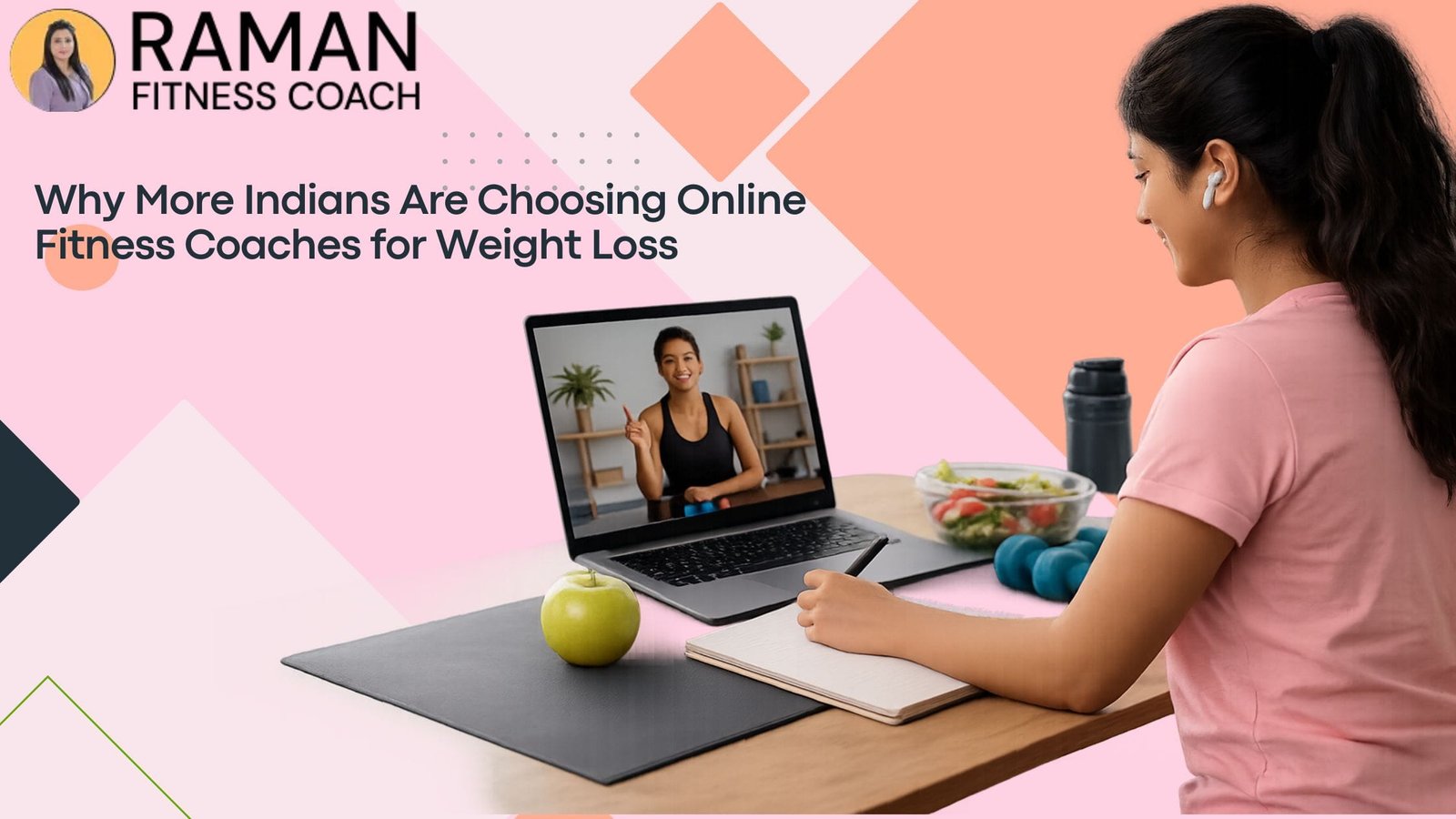
Most people in India know they need to move more and eat better. That part is not the hard bit. The hard part is fitting real fitness effort into a life that already feels full a 9-to-6 job, a commute that eats your evenings, family responsibilities, and weekends that disappear faster than you planned.
This is exactly why the idea of an online fitness coach India has picked up real momentum over the last few years. It’s not about trends or tech hype. It’s a practical answer to a very Indian problem: not enough time, not enough tailored guidance, and gym routines that were built for different lifestyles.
Working professionals in Bangalore, homemakers in Pune, students in Delhi people from very different situations are finding that virtual fitness coaching fits their lives in ways that traditional gym memberships simply don’t.
Online Fitness Coaching Is Growing Across India
A few years ago, getting fitness guidance online meant following generic YouTube workouts or downloading a calorie-counting app that didn’t understand what a thali looked like. That’s changed considerably.
More certified trainers are now offering full coaching programmes through WhatsApp, Zoom, and dedicated apps. Clients get structured plans, regular check-ins, and someone who actually responds when they have a question about whether poha counts as a good breakfast before a workout (it does, by the way).
The smartphone has made this possible at scale. Even in Tier 2 cities Indore, Coimbatore, Nagpur people are now working with online trainers they’ve never met in person, and getting consistent results.
The shift also reflects a change in what people want from fitness. The old goal of “going to the gym” is being replaced by something more specific: losing weight sustainably, building habits that last, and understanding food without giving up everything they enjoy eating.
Flexible Schedules Make Coaching Easier to Follow
One of the biggest reasons gym routines fail in India is scheduling. Classes happen at fixed times. Trainers are available during hours that don’t work for someone who’s commuting at 8 AM or wrapping up office calls at 9 PM.
Online coaching removes that friction almost entirely.
A software engineer in Hyderabad can do her workout at 6:30 AM before the day begins. A father in Mumbai with evening family duties can train at 10 PM. A college student preparing for competitive exams can do a 20-minute session between study blocks.
This flexibility isn’t just convenient — it directly affects consistency. When a workout fits into your actual schedule rather than fighting it, you’re more likely to actually do it.
Most online trainers offer asynchronous support too. You can message your coach with a question, send a food photo for feedback, or log a session and get a response without needing to be online at the same time. For people with unpredictable schedules and that’s most working Indians this matters a lot.
Indian Diet Guidance Improves Consistency
Generic diet plans are one of the most common reasons people give up on weight loss. When a plan tells you to eat chicken breast and broccoli twice a day, and you’re vegetarian, or you’re cooking for a joint family, or you genuinely can’t afford to eat separately from everyone else you stop following it within a week.
An online weight loss coach who understands Indian eating patterns works differently.
They know that dal-chawal is not the enemy. They understand that most Indian homes aren’t going to switch to a fully Western eating style. They work with what you actually eat adjusting portions, timing meals better, and making small changes that add up over time.
Practical examples of what this looks like in real coaching:
- Swapping white rice for slightly smaller portions of the same rice, with more dal and sabzi to balance macros
- Using curd as a protein source for vegetarian clients
- Adjusting for festivals Diwali, Eid, Navratri without making clients feel like they’ve failed
- Working with home-cooked food that a working mother is already making, rather than introducing a separate “diet meal”
A fat loss coach India-based who understands regional food differences — Punjabi cooking is different from Tamil cooking, which is different from Bengali gives people something they can actually follow.
This is where personalized guidance earns its value.
Personalized Workout Plans Fit Different Lifestyles
Not everyone has access to a gym. Not everyone wants one. And for many Indians, the idea of going to a gym is socially or practically complicated self-consciousness, cost, time, lack of nearby facilities.
Online coaching handles this well because good trainers build plans around what you actually have available.
If you have a gym membership, they’ll programme for that. If you’re working with a resistance band and a yoga mat in a 10×10 bedroom, they’ll programme for that too. Bodyweight training, home dumbbell sets, park workouts a decent online trainer can structure effective fat loss programmes around all of these.
For women managing home and work, this is particularly relevant. A structured 30–40 minute home workout, done consistently four times a week, produces real results. It doesn’t need to be complicated. It needs to be consistent and progressively challenging.
For beginners, starting simple matters. Many people who are new to exercise get overwhelmed by complicated programmes. An online trainer can start them with basic movements, track progress, and add intensity gradually so the body adapts without injury.
For students, budget and space are the constraints. A plan that uses bodyweight exercises and focuses on walking, basic strength work, and diet correction can shift body composition significantly without any equipment cost.
Personalized fitness coaching means the plan fits the person not the other way around.
Online Accountability Keeps People Consistent
Accountability is underrated in fitness. Most people know what they should do. The gap is between knowing and actually doing it week after week.
When you have a coach who checks in regularly, the dynamic shifts. You’re more likely to do the workout you logged before your weekly check-in. You’re more likely to message your trainer when you’ve had a rough week, rather than quietly disappearing for two weeks.
Online accountability works through simple, low-friction habits:
- Daily food logs sent over WhatsApp
- Weekly weigh-ins with a photo or measurement update
- Progress photos every two to four weeks
- A quick message when you’ve missed a session, and a plan to make it up
It’s not about pressure. It’s about structure. When someone is waiting for your update, you’re less likely to skip.
For people who’ve tried and failed at solo workout plans multiple times which describes a significant portion of anyone who’s downloaded a fitness app and given up external accountability is often the missing piece.
Coaches like those at best Online Fitness Coach India who offer structured online coaching for Indian clients build this accountability directly into how they work with people. The goal is to build habits strong enough that the client eventually doesn’t need constant hand-holding.
Cost Matters for Many Indian Users
Let’s be direct about this: cost is a real factor.
A gym membership in most Indian cities runs between ₹1,500 and ₹4,000 per month. A personal trainer at that gym adds another ₹3,000–₹8,000 on top. For someone in a Tier 2 city, or someone early in their career, this adds up fast — and often gets cut when money is tight.
Online fitness trainer India options typically cost less than in-person training, while providing comparable guidance. You’re not paying for the trainer’s commute, the gym’s overhead, or a fixed time slot. That cost reduction gets passed to the client.
For women who manage household budgets carefully, or for students who can’t spend freely, an online plan that costs a fraction of in-person coaching — and still provides personalized guidance — is a sensible decision.
That said, the cheapest option is not always the best one. A ₹299/month generic app is not the same as working with an actual coach who reviews your progress and adjusts your programme. The value is in the personalisation and the human interaction.
What to Check Before Hiring an Online Fitness Coach
Not every trainer who posts workout videos online is equipped to coach someone through weight loss. Here’s what’s worth checking before you commit.
Their coaching process. A good coach will ask about your current lifestyle, health history, goals, and food preferences before giving you any plan. If someone sends you a generic PDF without asking you anything, that’s a warning sign.
Communication style. You’ll be sending this person food logs and progress updates regularly. Check if they respond clearly and promptly during the trial or enquiry stage. If they’re hard to reach before you’ve paid, they’ll be harder to reach after.
Realistic timelines. Anyone promising 10 kg loss in a month, or dramatic results in two weeks, is overpromising. Sustainable fat loss for most people is 0.5–1 kg per week. A coach who sets realistic expectations is more trustworthy than one who sells you a transformation.
Flexibility in the plan. Ask specifically: “What if I can’t follow the diet during a wedding week?” or “What if I miss three days of workouts?” A good coach will have a practical answer. They understand that Indian life comes with weddings, festivals, guests, and work travel.
Whether they understand Indian food. Ask directly. If their sample meal plans feature items that don’t fit your eating habits — or they can’t discuss vegetarian options in detail — they may not be the right fit for you.
Reviews and testimonials. Look for real reviews — specific ones, not vague praise. A client talking about losing 6 kg over three months with a particular coach, mentioning the programme structure and what helped, is more useful than “great coach, highly recommended.”
Final Thoughts
The shift toward online fitness coaching in India isn’t surprising when you look at the conditions that drive it. Busy schedules, lack of personalised guidance, expensive in-person training, and diet plans that don’t fit Indian households these are real barriers, and virtual coaching addresses most of them directly.
What works about this model, when done well, is the combination of flexibility and structure. You get a plan built for your life, a coach who understands Indian food, and accountability that keeps you moving forward even when motivation dips.
If you’re considering working with an online fitness coach India, take your time finding the right fit. Ask questions. Look at their process. Make sure they understand your lifestyle before they build your programme.
That groundwork pays off. The people who see real, lasting weight loss results aren’t the ones who followed the most extreme programme. They’re the ones who found guidance that actually fit their life and stuck with it long enough for it to work.
About the Author
Ramandeep Kaur is an online fitness coach based in India and the founder of Raman Fitness Coach. She works with clients on weight loss, fat loss, workout planning, and daily nutrition habits through personalized online coaching.
Her coaching focuses on practical fitness routines that fit real schedules. She shares guidance on home workouts, gym training, meal planning, consistency, and long-term lifestyle improvement for Indian clients.
Ramandeep also writes about online fitness coaching, healthy habits, sustainable weight management, and fitness challenges people face in daily life. Her goal is to make fitness simpler, realistic, and easier to follow without extreme diets or confusing plans.